
Simple Tips for Organizing Your Home Office to Boost Productivity and Comfort
Creating an organized and comfortable home office is essential for working efficiently and feeling good while you do it. Whether you’re working from home full-time, freelancing, or just need a dedicated space for projects, a well-ordered environment can help reduce stress and improve focus.
In this post, we’ll explore simple, practical steps to organize your home office. These tips not only make your workspace more inviting but also boost your productivity.
Why Organize Your Home Office?
A cluttered or poorly arranged workspace can distract you and slow down your work. Organizing your home office helps to:
– Minimize distractions
– Save time searching for supplies
– Improve comfort, reducing physical strain
– Create a more inviting atmosphere that inspires work
By applying these tips, you’ll create a space that supports your daily workflow and well-being.
Step 1: Choose the Right Location
If possible, pick a quiet corner or room with natural light. Natural light helps boost mood and alertness. Avoid high-traffic areas that could be noisy or distracting. Your workspace location influences everything else, so take time to find the best spot in your home.
Step 2: Declutter Your Desk
Start by clearing everything off your desk. Only put back items you need daily, such as your computer, a notebook, and a few essential tools. Less clutter means less visual distraction and more space to work comfortably.
Tips for decluttering:
– Use trays or small containers for pens, paperclips, and other small items
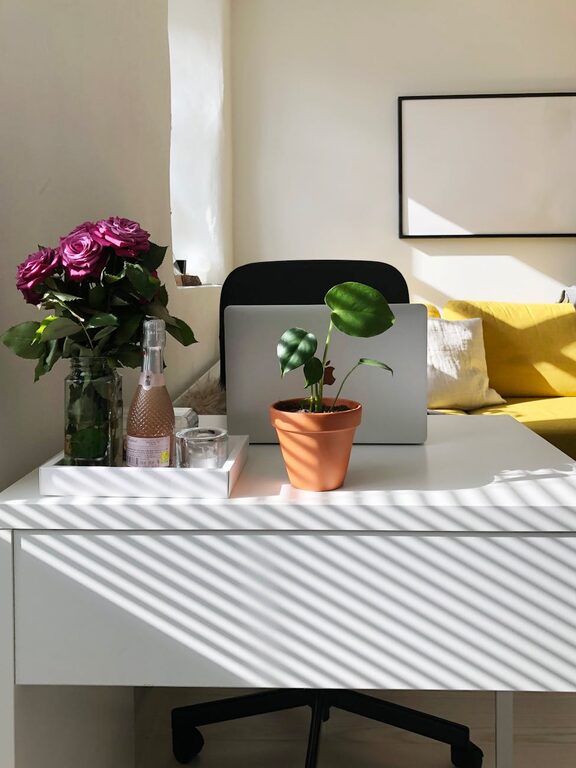
– Keep only one or two personal items, like a photo or small plant, to keep things welcoming but tidy
– Set a limit for how many books or papers you keep on your desk
Step 3: Maximize Storage Efficiently
Good storage keeps clutter out of sight but within reach. Try these solutions:
– Shelves: Install wall shelves to hold books, files, or decor without using desk space.
– Drawer organizers: Use divided trays to separate office supplies in drawers.
– Filing systems: Create labeled folders for important documents to keep papers organized and easy to find.
– Bins or baskets: Store items you don’t use daily, like extra cables or tech gadgets.
Organizing storage helps keep your workspace neat and your mind clear.
Step 4: Get Comfortable with Ergonomics
Comfort plays a big role in productivity. An ergonomic setup reduces strain on your body and keeps you focused longer.
Consider these ergonomic basics:
– Desk height: Your desk should allow your elbows to rest at about a 90-degree angle while typing.
– Chair: Use a chair that supports your lower back and lets your feet rest flat on the floor.
– Monitor placement: The top of your screen should be at or just below eye level to avoid neck strain.
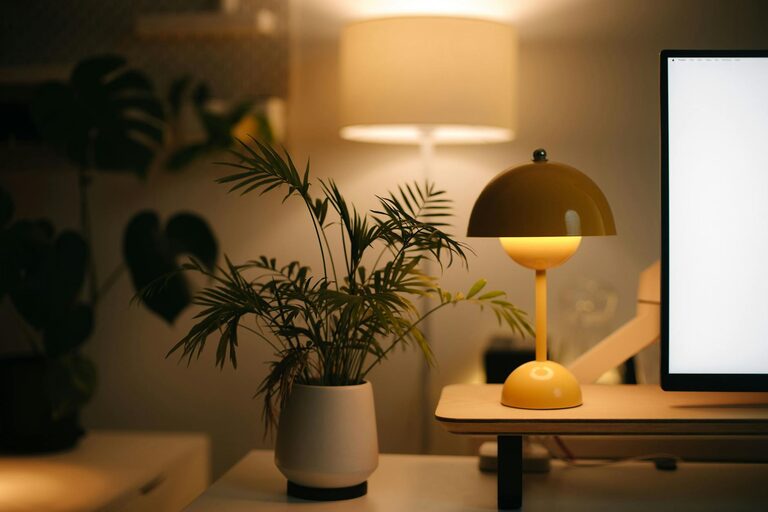
– Lighting: Use a desk lamp or position your desk to avoid screen glare while keeping your workspace bright.
Adjust your setup as needed, and take breaks to stretch regularly.
Step 5: Organize Cables and Technology
Messy cables can create frustration and clutter. Keep things simple with a few tips:
– Use cable clips or rings to bundle cords together.
– Label cables, especially chargers and USB cords, for easy identification.
– Keep devices you rarely use unplugged to avoid tangled wires.
– Clean your keyboard and screen regularly to maintain a fresh workspace.
A neat technology setup increases focus and prevents distractions.
Step 6: Personalize Thoughtfully
A workspace that reflects your personality can make working more enjoyable. Add personal touches without clutter:
– A small plant or succulent to bring life and fresh air.
– A photo or small artwork that motivates you.
– A calendar or planner with a design you like to help stay organized.
Balance personalization with simplicity to maintain a calm environment.
Step 7: Keep it Clean and Maintain Regularly
Organization is an ongoing process. Schedule weekly or monthly tidying sessions to maintain order. Simple habits make a big difference:
– At the end of each day, clear your desk of any loose papers or mugs.
– Regularly discard or file documents you no longer need.
– Wipe down surfaces to keep your desk clean and inviting.
By making organization a routine, you’ll stay productive and comfortable long term.
—
Final Thoughts
Organizing your home office doesn’t have to be complicated or time-consuming. Small changes like decluttering your desk, improving storage, and tuning your setup for comfort can transform your workspace. Making your home office a pleasant and efficient place will help you stay motivated, focused, and productive every day.
Start with one or two tips today, and build your perfect workspace step by step. Your work—and your well-being—will thank you!